How Do You Express Love?
Test Yourself
Chapman’s 5 Love Languages Quiz & Test for Couples
 Free 5 Love Languages Quiz: A Comprehensive Guide to Strengthen Your Relationships
New Updates
5 Love Languages Quiz: Your Comprehensive Guide to Assessments
What Is the Love Languages Framework?
Relationships flourish when people send and receive care in ways that feel meaningful. The love languages frame...

Decode Deeper Connection With the Five Love Languages Test
What the Framework Is and Why It Changes Relationships
Love often gets lost in translation, not because people care less, but because they communicat...

The Five Love Languages by Gary Chapman: A Practical Guide to Deeper Connection
What Are the Five Love Languages?
Across cultures and generations, people crave connection, yet partners often express care in ways that do not feel...
5 Love Languages Quiz for Couples
Get StartedWords, Time, Gifts, Touch, or Acts? Find Your Love Language Now
Romantic connection, familial warmth, and workplace rapport all thrive when people feel seen and appreciated in ways that truly land with them. The love languages framework explains why two caring people can still miss each other emotionally, and it offers a reliable map for turning goodwill into felt affection. Instead of assuming everyone prefers the same gestures, this model highlights distinct channels of expression that shape how we give and receive care in everyday life. Modern readers often look to the original research and popularization that brought this framework into mainstream conversation. In that context, many trace the model’s visibility to the work identified with 5 love languages by Gary Chapman, which distilled practical patterns into clear categories for partners and families. Beyond origin stories, the enduring appeal comes from how the idea demystifies friction and provides shared vocabulary when tensions rise.
Clarity grows when people can reference each category with precision, especially during sensitive conversations about needs and expectations. For easy reference, couples and families frequently keep a personal list of 5 love languages on hand, which helps during check-ins or conflict debriefs. When language becomes specific rather than vague, misunderstandings shrink and affection becomes far easier to deliver consistently. Another reason this framework resonates is how flexible it proves across life stages, cultures, and relationship types without losing its core logic. Many readers appreciate that the architecture highlights 5 different love languages without implying that one is superior to another. Respecting that diversity allows teams, parents, and partners to design habits that honor real preferences rather than generic advice.
The Love Languages Explained With Practical Examples
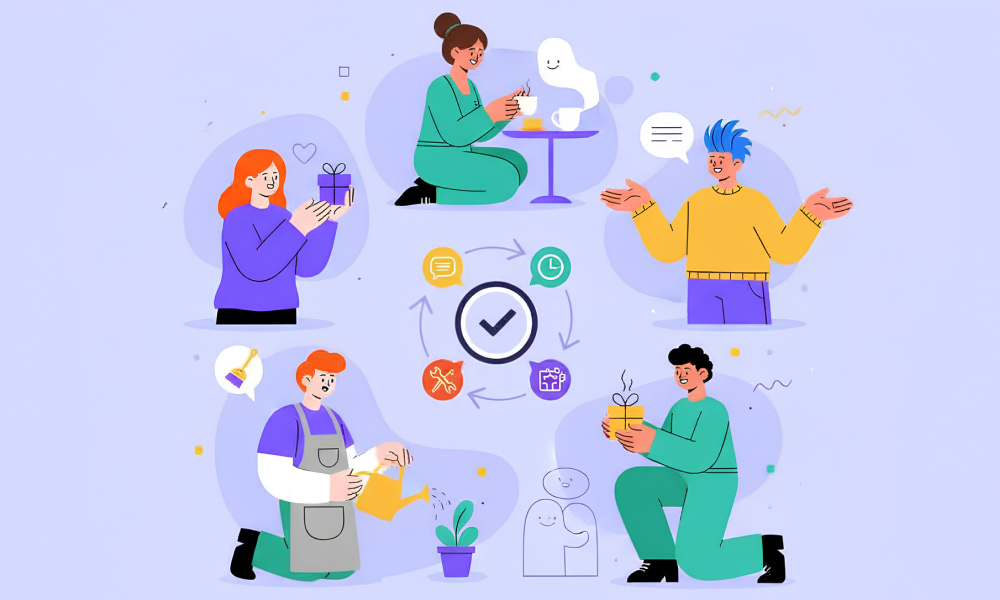
To apply the framework well, it helps to break the categories into real-life behavior and everyday micro-moments. A small note before a big meeting, an unasked-for household chore, a lingering hug after a stressful day, or focused attention during dinner can each communicate strong care in different ways. What resonates most depends on the receiver’s primary and secondary preferences, which often reveal themselves over time through patterns.
Instead of guessing, learners can anchor their understanding in straightforward definitions that make choices obvious at the moment of action. Many guides summarize the core categories under the banner of 5 love languages, and they pair each one with examples people can practice this week. The result is a simple but powerful bridge between intention and impact, especially when stress narrows bandwidth.
| Love Language | Core Need | Simple Example |
|---|---|---|
| Words of Affirmation | Verbal appreciation and encouragement | Send a sincere text praising effort before a big day |
| Quality Time | Undivided attention and presence | Plan a device-free walk and talk for 30 minutes |
| Acts of Service | Helpful actions that reduce load | Handle an errand or chore before it’s requested |
| Gifts | Thoughtful tokens that symbolize care | Bring a favorite snack picked up during lunch |
| Physical Touch | Comforting and affectionate contact | Offer a warm hug when they return home |
Once the fundamentals are clear, practice becomes a rhythm, not a guessing game. People often find that knowing the 5 types of love language lets them sequence habits for birthdays, difficult weeks, and daily maintenance. Over time, alignment between effort and preference builds trust, which compounds into lasting intimacy and resilient bonds.
- Start small and repeat what works consistently.
- Ask for examples that feel meaningful, not expensive.
- Notice which gestures get strong, positive reactions.
- Track patterns during both calm and stressful seasons.
Communication, Satisfaction, and Long-Term Stability
Healthy relationships depend on accurate signals, and love languages sharpen those signals dramatically. When partners swap vague generalities for concrete examples, resentment recedes and goodwill becomes visible in daily life. That shift reduces the emotional tax of unmet expectations and accelerates repair after missteps, because both people can articulate needs without blame.
In practice, many adults value structured reflection to calibrate their preferences over time rather than relying on guesswork. For this reason, some turn to resources like the 5 Love Languages quiz for adults to reassess how life changes influence what lands best. The point is not to label oneself permanently but to keep alignment current as careers, families, and stressors evolve. Benefits also extend beyond romance, because the framework clarifies appreciation at work, in friendships, and within communities. Emotional safety strengthens when people know their efforts are noticed for the right reasons and reciprocated in ways that feel satisfying. Over months and years, these small but targeted gestures compound into higher relationship satisfaction, steadier conflict resolution, and a reliable baseline of warmth that makes growth possible.
- Clearer requests reduce defensive reactions and confusion.
- Consistent, tailored gestures build credibility and trust.
- Repair conversations gain structure and compassion.
- Shared language prevents the drift of unspoken assumptions.
Applying the Framework in Real-world Contexts
Parents and Families
Home is often the first place people learn how care is communicated, received, and negotiated. Parents can observe which gestures soothe, motivate, or delight, and then design routines that match those cues with integrity. Many caregivers find it helpful to tailor bedtime rituals, praise, and weekend activities after exploring resources such as 5 love languages for kids, which translate the framework into age-appropriate practices. Over time, children internalize that love is expressed in many valid ways, and they build empathy for others’ preferences too.
- Rotate small rituals to learn what sparks the biggest smiles.
- Use specific praise tied to effort and values.
- Let kids request weekly “connection activities.”
Teams and Colleagues
Appreciation at work fuels morale, retention, and collaboration, yet generic rewards often fall flat. Managers who diversify recognition methods create an environment where effort is noticed in ways that feel fair and human. Leaders sometimes gather preference data with tools like a 5 love languages workplace quiz, then align recognition with authentic needs. When people feel accurately appreciated, they contribute more openly, exchange feedback with less friction, and sustain momentum during crunch times.
- Combine public praise with private notes for balance.
- Offer flexible time or task support when workloads spike.
- Invite employees to opt into preferred appreciation styles.
Dating and Solo Growth
Self-awareness is a powerful gift during seasons of personal development and new relationships. Understanding your patterns helps set boundaries, choose compatible partners, and articulate needs without apology. Solo learners often explore resources styled as a 5 love languages singles edition, using them to experiment with habits that nourish well-being. Practicing on oneself first makes it easier to communicate clearly once dating begins or resumes.
- Translate insights into daily self-care rituals.
- Share preferences early to avoid mismatched expectations.
- Notice how stress shifts your preferred expressions.
Couples and Long-Term Partners
Intimacy thrives when partners exchange care in ways that land reliably. Rituals, routines, and gentle experiments keep affection fresh while preventing misinterpretations from snowballing into distance. Some duos schedule regular check-ins guided by a resource like a 5 love languages quiz for couples, then iterate ideas based on real feedback. That habit turns love from a feeling into a set of repeatable practices aligned with what each person actually needs.
- Make a shared list of low-effort, high-impact gestures.
- Revisit preferences after big life changes.
- Celebrate “small wins” weekly to reinforce momentum.

How to Discover Your Primary and Secondary Preferences
Discovery is most useful when it blends reflection with experimentation. You can journal about moments that made you feel valued, ask trusted people what they notice about your reactions, and run small trials to see what truly resonates under different kinds of stress. For many, one straightforward step is to take a structured assessment such as a 5 love languages quiz, which provides a baseline profile to discuss with partners or friends. The greatest value comes from using those results as a starting point, then adjusting based on lived experience.
Some people prefer formal inventories with clear scoring because they like tracking changes over time as seasons of life shift. In those cases, a standardized option like a 5 love languages test offers a consistent method to compare results month to month. Revisiting your insights after milestones helps keep practices aligned and fresh. Budget-conscious learners may want an option that lowers friction, saves time, and encourages quick wins early on. That’s where an accessible tool such as a 5 love languages quiz free can function as a low-barrier entry point to start meaningful conversations. Sharing results with a partner opens new pathways for tailored gestures immediately.
When time is tight, short-form formats can still surface useful patterns that lead to better connection right away. Busy professionals might sample a concise option like a 5 minute love language test before committing to deeper reflection or discussion. This approach anchors daily micro-habits without overwhelming your schedule. Finally, those who enjoy multiple data points often combine lightweight tools with more comprehensive diagnostics to cross-check insights. In that blended approach, a thorough instrument akin to a 5 love language test complements quick check-ins and real-world feedback loops. The combination ensures accuracy while keeping momentum practical and humane.
- Record three resonant gestures each week and note why they worked.
- Ask for examples from loved ones and practice them for two weeks.
- Reassess after stressful periods to see if preferences shifted.
5 Love Languages Quiz for Couples
Get StartedFAQ: Common Questions About Love Languages
-
How many love language categories are there, and can they change over time?
There are five core categories, and most people have a primary plus a meaningful secondary. Preferences can shift with context, stress levels, and life stages, so a periodic check-in keeps your habits aligned.
-
Is one category better than the others for relationship satisfaction?
No single category is superior, and what matters most is alignment with the receiver’s preferences. When gestures map to actual needs, satisfaction rises regardless of which category leads.
-
Can the framework help with conflict resolution?
Yes, because it translates abstract needs into concrete behavior you can do today. During repair, you can target gestures that restore safety while using shared vocabulary to avoid blame.
-
How do I identify my partner’s preferences without formal assessments?
Observe strong positive reactions and ask for examples that feel meaningful. Then run small experiments for two weeks, and keep what consistently gets enthusiastic responses.
-
Does this approach work outside romantic relationships?
Absolutely, because appreciation and connection are universal human needs. Families, friends, and teams all benefit when recognition matches how people naturally feel valued.